
Search Cheatham County Family Court Records
Cheatham County Family Court Records help you find divorce files, custody orders, support decisions, and other domestic relations papers tied to cases in Ashland City. The county keeps these records in the regular court system, not in a special family court. That means the Circuit Court Clerk and Chancery Court both matter when you need to look up a file or ask for a copy. Start with the county office, then move to the state tools if you need older case history or an appeal trail.
Cheatham County Quick Facts
Cheatham County Family Court Records
Cheatham County courts are part of the main Tennessee trial system. The county does not use a separate family court label, but the work is still the same. Family law matters move through Circuit Court and Chancery Court, and the clerk's office keeps the files that matter most to the public. That includes divorce decrees, custody orders, child support rulings, and other papers filed during a case.
The county seat is Ashland City, so that is the first stop for local record searches. The Cheatham County government site at cheathamcountytn.gov is the best place to start when you need local office details or want to confirm the right clerk. If you are not sure whether a file is old enough to still sit at the county level, the Tennessee State Library and Archives may help with older records, while the county clerk handles current ones.
Cheatham County Family Court Records are open in the usual public-record way unless a judge seals part of the file. That matters in custody disputes and other sensitive cases. Some papers stay open, while specific pages can be closed off under Tennessee law when privacy concerns are strong enough. If you need only the docket path, the court history may be enough. If you need the order itself, ask for a certified copy at the clerk's office.
Where to Search in Cheatham County
The fastest local search usually starts with the Circuit Court Clerk. That office maintains the county's court records and can tell you where a family case was filed. Chancery Court keeps separate domestic relations files, so the right office depends on the type of order you need. A divorce record may point you to one clerk. A child support or custody matter may lead you to the other. The county system is split, but the public access path is still manageable once you know the case type.
If you search in person, bring the names of the parties, a rough filing year, and the county. A case number helps, but it is not always required. If you are writing instead of visiting, ask for the exact record type and the date span. Cheatham County records can often be found by case style, and the clerk can tell you whether you need a plain copy or a certified copy. The Tennessee court site at tncourts.gov is useful when you want public appellate case history after the local case leaves the trial court.
Cheatham County also follows the broader Tennessee rule that courts are open unless there is a clear reason to close a record. The qualified right of access comes up often in domestic cases because some files mix public pleadings with private details. You can usually inspect the public part of the file, then ask about redactions or sealing if a judge has already entered an order.
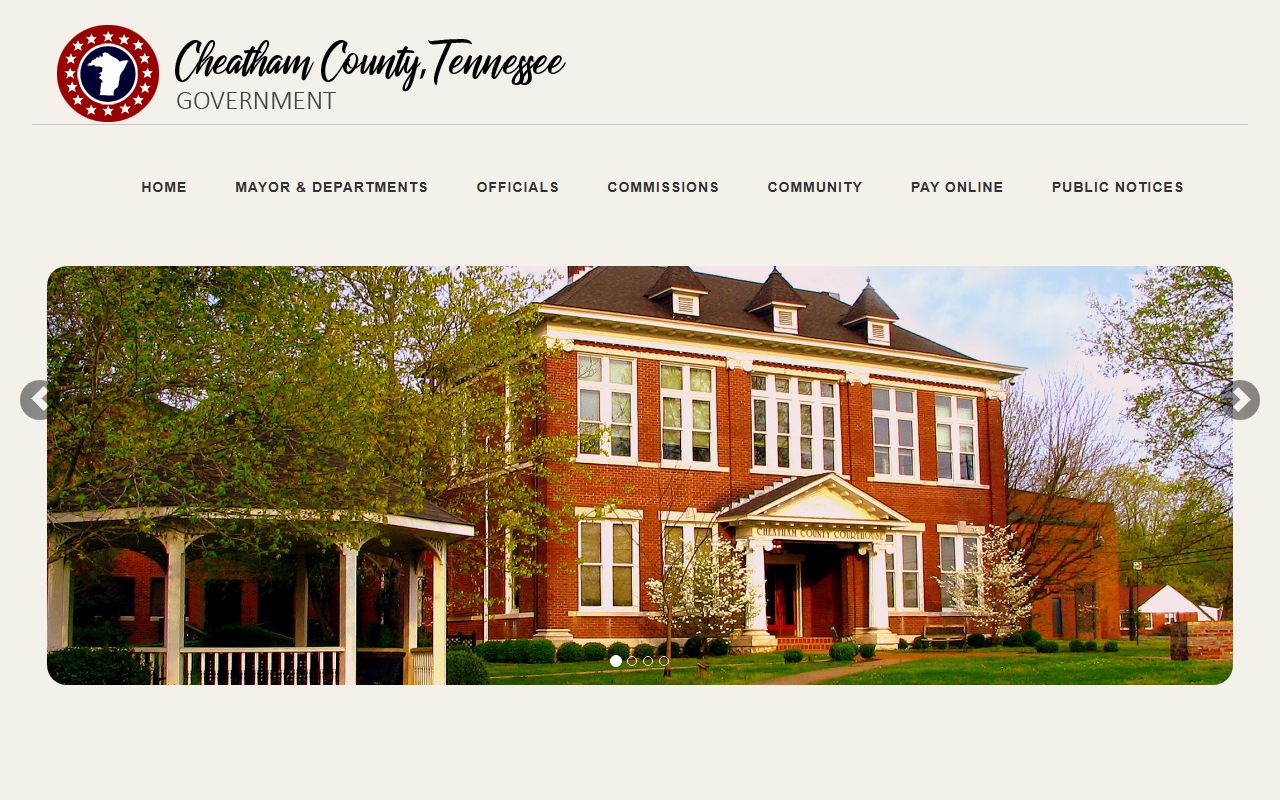
The county's own site at cheathamcountytn.gov points you back to the right office and gives you the local path for Cheatham County Family Court Records. Use it when you need the courthouse basics first.
What Cheatham County Family Court Records Show
These files can be simple or thick. A divorce case may include the complaint, the answer, temporary orders, a marital dissolution agreement, and the final decree. A custody case may hold parenting plans, support worksheets, and later motions to change the order. A child support file may show payment records or enforcement papers. The public case file is often enough to prove where a case stands and what the court did.
Records in Cheatham County may also show the judge, the docket date, and the court division. That helps when you are tracing the life of a case or trying to find an older paper that was filed years ago. The Tennessee court structure does not treat all family matters the same, so the file can move between Circuit Court and Chancery Court depending on the issue. The clerk's office is the best guide when the file has changed hands over time.
When you need a copy, ask for the record that matches your use. A plain copy is fine for reference. A certified copy is better when another office needs proof. Tennessee courts also keep sensitive material out of public view when the law calls for it. Juvenile papers, adoption records, and sealed exhibits are treated differently from the rest of the file, and you should expect limits there.

For broader court guidance, tn.gov and ctas.tennessee.edu both explain how Tennessee records are managed and why some domestic files stay partly closed.
Cheatham County Family Court Records and Privacy
Public access in Tennessee starts with the idea that court records are open. That rule still has limits. Cheatham County follows the same state balance between access and privacy, so a file can be public without every page being visible. A judge can seal specific papers, and some details can be hidden by redaction. That is common in cases with minors, medical details, or other sensitive facts.
The Tennessee Public Records Act, T.C.A. § 10-7-503, is the starting point for open records, while family-law rules shape what stays in the file. In divorce cases, the court can also rely on the broader rules in T.C.A. § 36-4-101, T.C.A. § 36-4-104, and T.C.A. § 36-4-121 when a case involves filing, timing, or property division. Those rules help explain why some parts of a family file are easy to inspect and others are not.
Historical files can live in more than one place. The Tennessee State Library and Archives keeps older court materials, and that matters when a Cheatham County case predates the current clerk's files. If you are working on a long family history or trying to locate a decree from years ago, start local, then move to the archive record set if the courthouse cannot find it right away.

The county and state systems work together here. CTAS explains county record rules, and the state archive can fill in older gaps when Cheatham County files are no longer on the courthouse shelf.
Cheatham County Family Court Records Online
Online tools can help you narrow the search, but they rarely replace the clerk's office for full copies. The Tennessee court site at tncourts.gov gives public case history for appellate matters, and that is useful when a Cheatham County family case has already been reviewed on appeal. If the local file is still active, the clerk is still the better source for the live paper record.
Some people want to know the process before they go to Ashland City. That is smart. Make sure you know the county, the parties, the rough date, and the court type. If you are asking for a certified copy, say so up front. If you only need the docket entry, say that too. Clear requests save time. They also help the clerk find the right file without a second trip.
Cheatham County Family Court Records are most useful when you match the request to the case. A support order is not the same as a divorce decree. A custody change is not the same as the first filing. The better you can name the record, the faster the clerk can point you to it. That is true in Cheatham County and across Tennessee.
Request Details for Cheatham County
If you are making a request in person or by mail, keep it plain and specific. The clerk works faster when the request is short and direct. A simple note is usually enough when you know what you need.
- Names of the parties in the case
- Approximate year or date span
- Circuit Court or Chancery Court
- Case number, if you have one
- Whether you need a certified copy
Use the county office for current records, then use the state archive or appellate history when the file is old or has moved beyond the trial court. That path works well for Cheatham County Family Court Records because it follows the way Tennessee courts store, shift, and preserve domestic cases.