
Search Tennessee Family Court Records
Tennessee Family Court Records can be found through local clerks, chancery offices, circuit court offices, juvenile courts, and a few statewide resources that help track appellate filings or older case material. Tennessee does not run one single family court archive for the whole state, so the right search path depends on the county, the type of domestic case, and whether you need a current file, a certified copy, or a historical record. This page explains where Tennessee Family Court Records are kept, how public access works, and which offices usually control the record you need.
Tennessee Family Court Records Quick Facts
Tennessee Family Court Records Search Basics
Tennessee Family Court Records are spread across several courts because Tennessee usually routes domestic matters through existing trial courts instead of a separate statewide family court system. Divorce files often sit with a Circuit Court Clerk or a Clerk and Master for Chancery Court. Custody disputes, support matters, paternity claims, and related domestic filings may appear in Chancery Court, Circuit Court, or Juvenile Court, depending on the county and the issue. That means a good search starts with the county, then the court type, then the names of the people in the case, and finally the approximate filing year.
The Tennessee court system website gives the best statewide overview of how trial courts and appellate courts are organized. It also explains that family matters are handled through Tennessee's existing court structure rather than through one uniform family court clerk in every county.
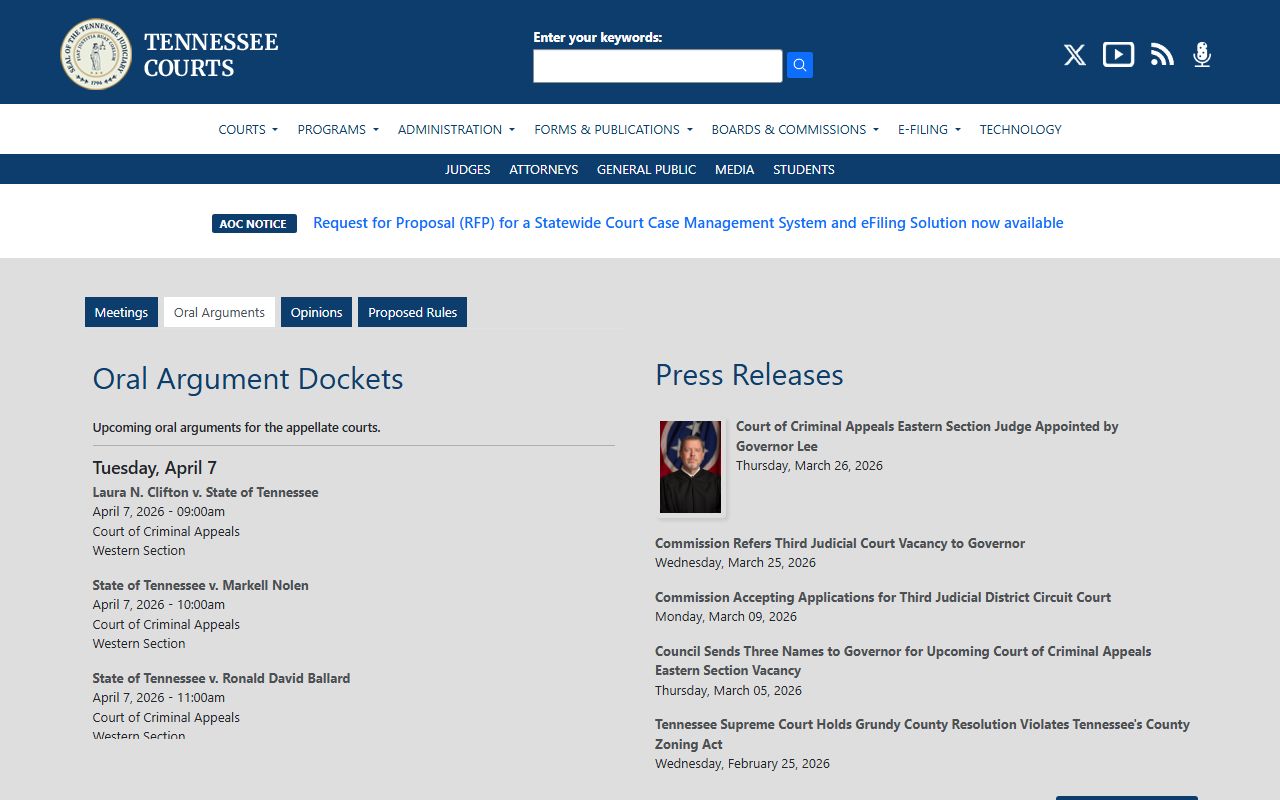
That structure matters because a search for Tennessee Family Court Records will be more accurate when you match the case to the right clerk before asking for copies.
Names help. Dates help more. A case number helps most. If you only know one party name and the county, you can still start with the local clerk. If the matter reached appeal, Tennessee also provides an appellate case history resource for many records filed after September 1, 2006. Older domestic files usually require in-person or mail contact with the county office that created the case.
Where Tennessee Family Court Records Are Kept
Tennessee Family Court Records are usually kept by the trial court clerk that handled the filing. Circuit Court Clerks commonly keep divorce files and many civil domestic matters. Chancery Court Clerks or Clerks and Master often keep domestic relations files, support modifications, adoptions, and equity matters tied to family disputes. Juvenile Courts keep records involving minors, but public access to those files is far more limited. In practical terms, there is no single Tennessee warehouse for all family case papers.
The Tennessee clerks directory helps identify the right local office. It is a strong starting point when you need a mailing address, phone number, or court assignment before making a Tennessee Family Court Records request.
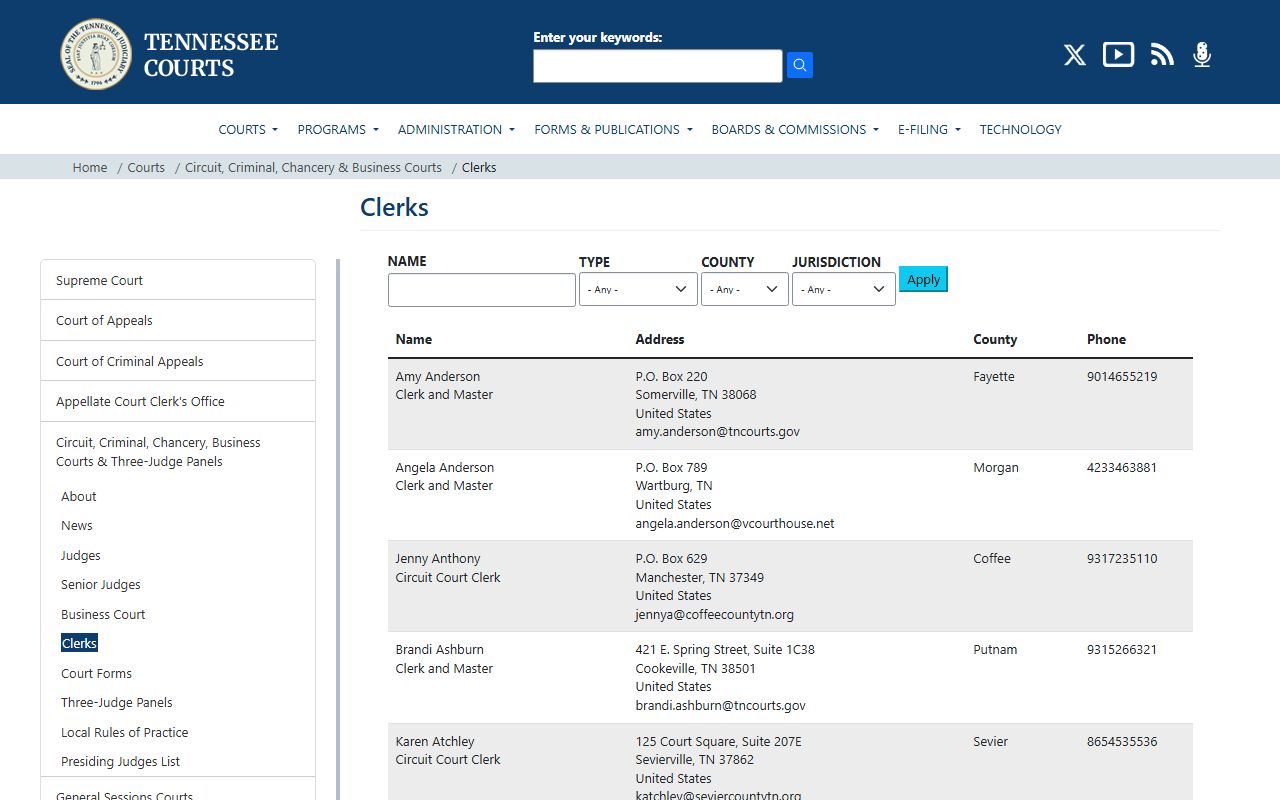
Using that directory first saves time because many counties split family matters between Circuit and Chancery Court instead of storing everything under one counter.
Some requests are for court files. Some are for proof that an event happened. Those are not the same thing. A court file may include pleadings, motions, orders, docket entries, and final judgments. A shorter certification may come from a different office. Tennessee also keeps some historical and statewide materials outside local courthouses, so the right answer depends on whether you need the full file, a certified copy, or an archival search.
Note: Tennessee Family Court Records involving sealed matters, adoptions, juvenile proceedings, or protected personal information may not be open in the same way as routine domestic files.
Online Tennessee Family Court Records Access
Online access in Tennessee is useful, but it is not complete. The strongest statewide online path is the appellate case history system maintained through the courts website. That tool helps locate appellate records, docket activity, party names, and many PDF filings in appealed cases. It is most helpful when a family law dispute moved beyond the trial court. Trial-level Tennessee Family Court Records are more fragmented. Some counties run local online inquiry systems, while others still require a call, mail request, or courthouse visit.
The Tennessee juvenile and family courts information page helps explain which courts may handle family-related matters statewide and why local practice can vary from one county to the next.
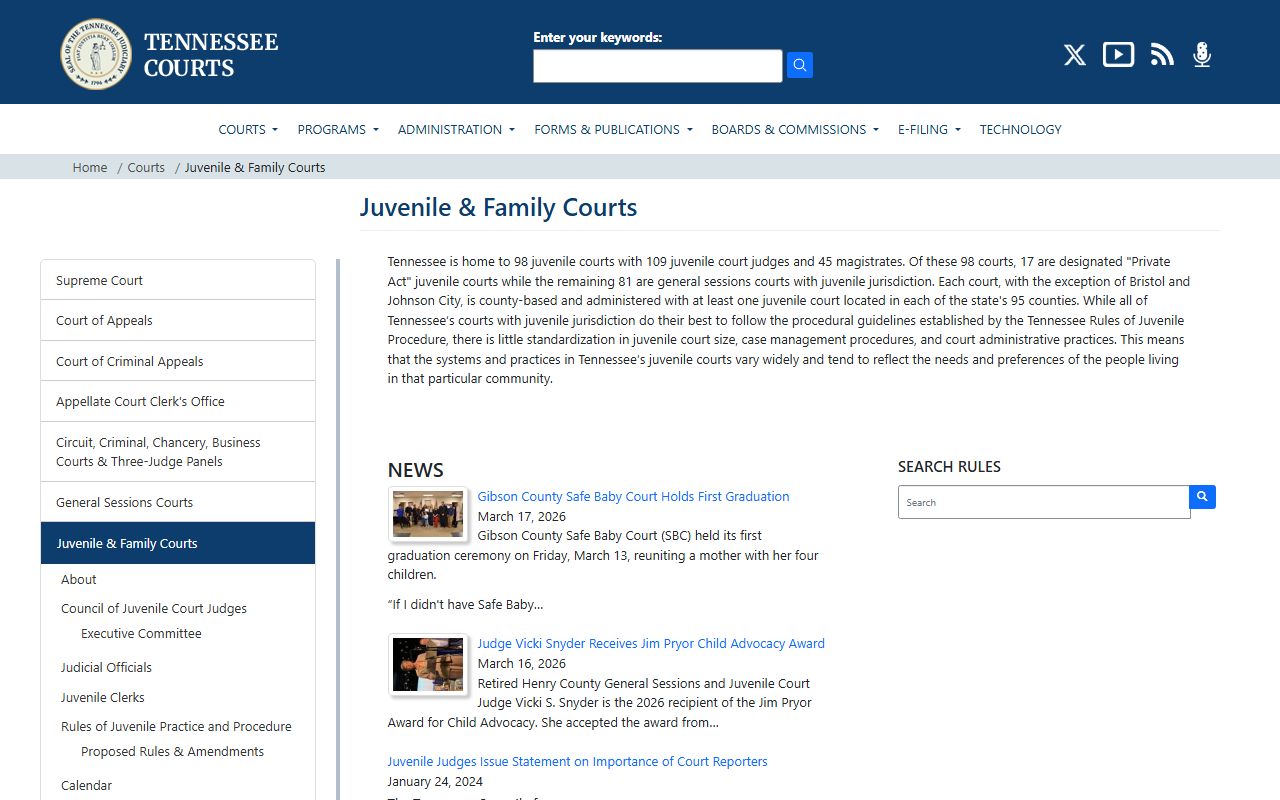
That page is useful context when a domestic case touches child support, custody, paternity, or juvenile jurisdiction and you need to know which clerk may hold the file.
The public access rule in Tennessee is broad but qualified. Tennessee courts have long recognized a presumptive right of access to judicial records, yet that presumption can be limited by statute, sealing orders, privacy interests, and court-specific rules. The Tennessee open courts compendium is a useful reference because it summarizes how the public right of access works and when a court may restrict a file.
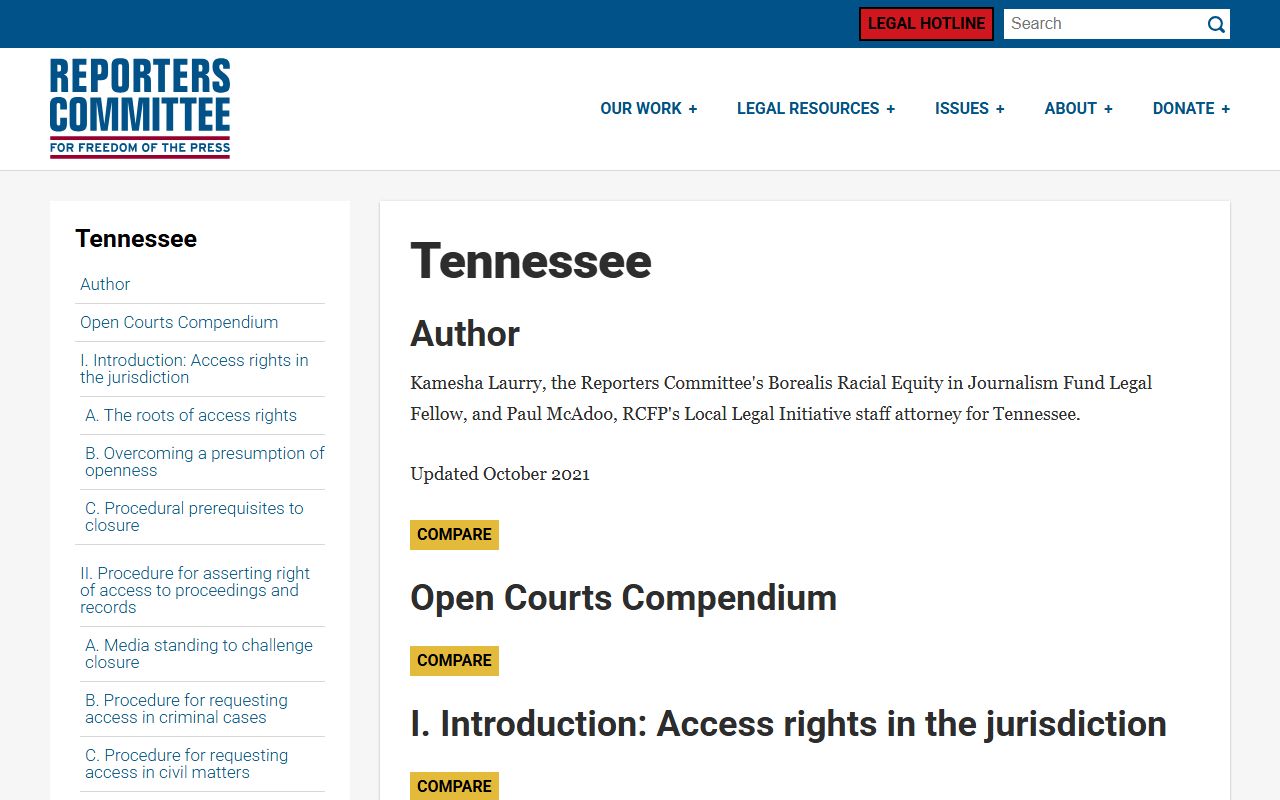
For Tennessee Family Court Records, that means public access is the default in many domestic files, but not in every family-related matter.
Tennessee Family Court Records by Court Type
Tennessee Family Court Records often follow the court that heard the dispute. Circuit Courts handle many divorce cases and related civil proceedings. Chancery Courts handle domestic relations matters, equitable issues, and many family disputes that involve support, property, and court-supervised relief. Juvenile Courts handle cases involving children, dependency and neglect, delinquency, and some support-related matters. The county matters because some urban counties divide work more finely, while rural counties may combine functions.
CTAS guidance on access to court records explains why court files are not managed exactly like ordinary county office records and why clerks may direct parties to the judge when sealing or privacy issues arise.
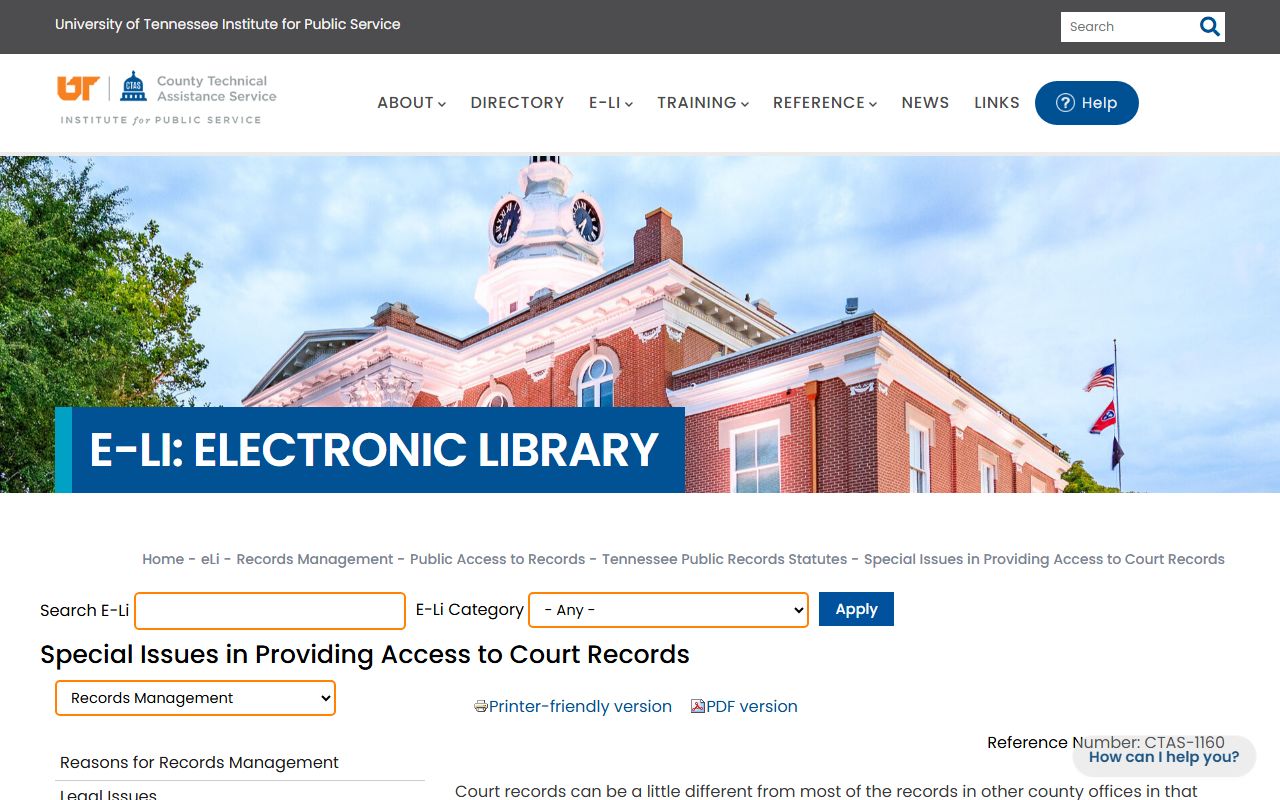
That distinction matters because Tennessee Family Court Records can include exhibits, confidential attachments, and filings that are technically in the clerk's custody but remain subject to court control.
Appellate records are different again. If a family case moved up on appeal, the statewide courts site and appellate clerk offices become more important. Tennessee maintains appellate divisions in Knoxville, Nashville, and Jackson. Those offices are especially relevant when you need orders, opinions, or case history after a trial court ruling was challenged.
Georgetown's Tennessee court records research guide is also helpful for understanding where published and historical Tennessee court materials can be found when a direct county search is not enough.
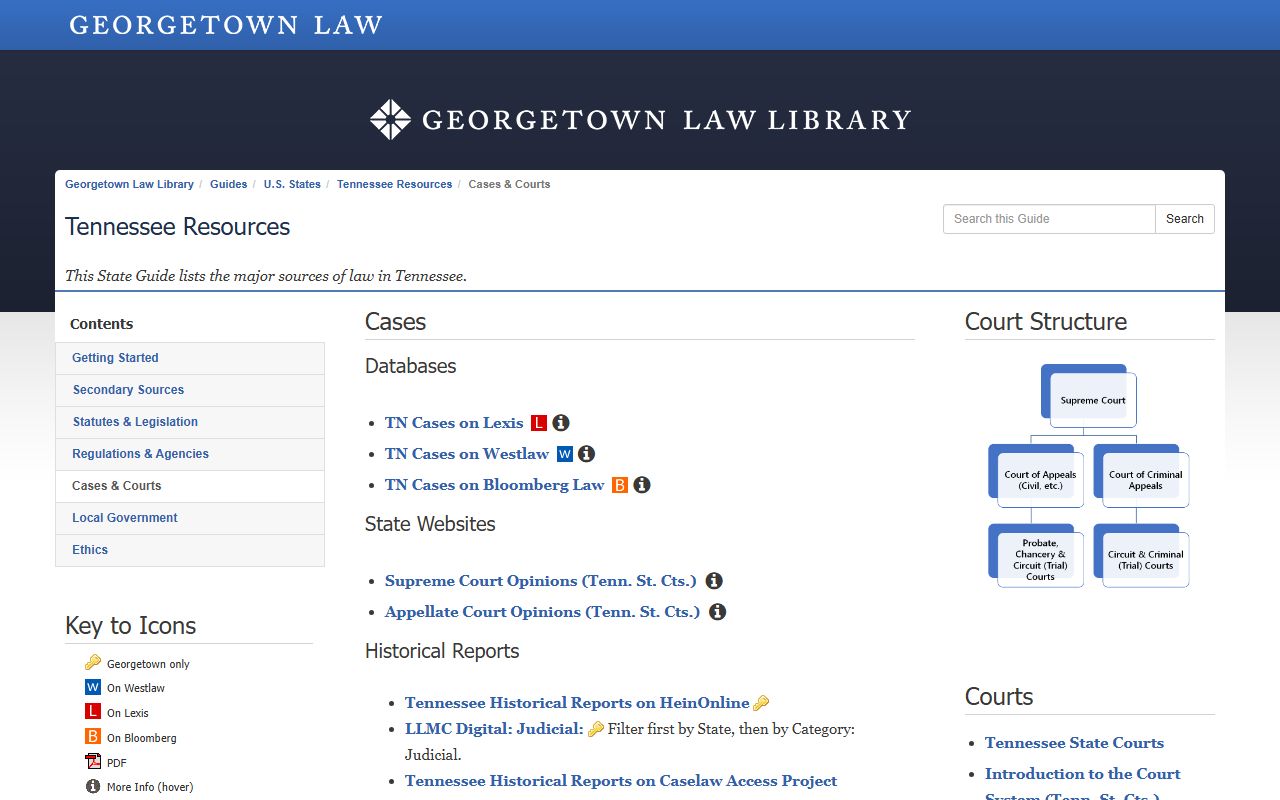
It is not a clerk portal, but it helps explain the different layers of Tennessee Family Court Records research when you are chasing older opinions or archived material.
Getting Copies of Tennessee Family Court Records
Most people who ask for Tennessee Family Court Records need one of three things: a plain copy, a certified copy, or a records search. The usual request goes to the county clerk that keeps the file. A request works best when it includes party names, the court name, the county, the case number if known, and the type of document you want. Mail requests are often accepted, though local clerks may require payment details and a self-addressed return envelope. In-person requests are still the most reliable option for complex searches.
The Tennessee State Library and Archives court records page is especially useful when the file is old, the county record is archived, or you are tracing historical Tennessee Family Court Records rather than a recent clerk copy.
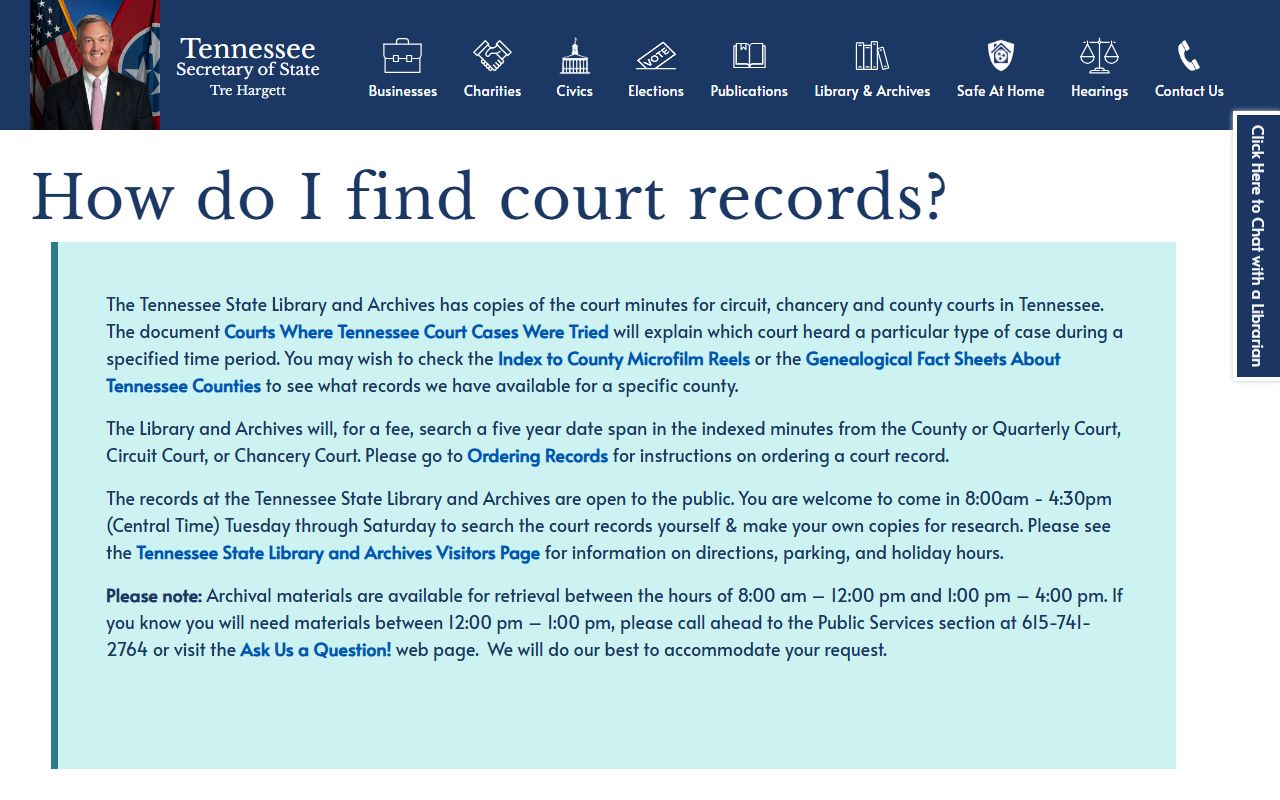
That archive route matters because Tennessee Family Court Records from earlier decades may no longer sit in the active courthouse office where newer cases are stored.
The statewide overview in the research also notes common request practices: many clerks expect photo ID, plain copies often cost less than certified copies, and search fees may apply when you do not know the case number. Those details can vary by county, so Tennessee Family Court Records requests should still be confirmed with the office before you travel.
Historical Tennessee Family Court Records
Historical Tennessee Family Court Records can take a different path than current files. For archival research, the Tennessee State Library and Archives is one of the best statewide resources because it holds court minutes and county court materials for many jurisdictions. That is useful for old divorce cases, early chancery proceedings, and long-closed family disputes where modern clerk systems may not show anything online.
Tennessee Vital Records is another statewide source, but it serves a different purpose. It can help with divorce certificates and related vital-record verification, while the underlying court file still comes from the clerk that handled the case.
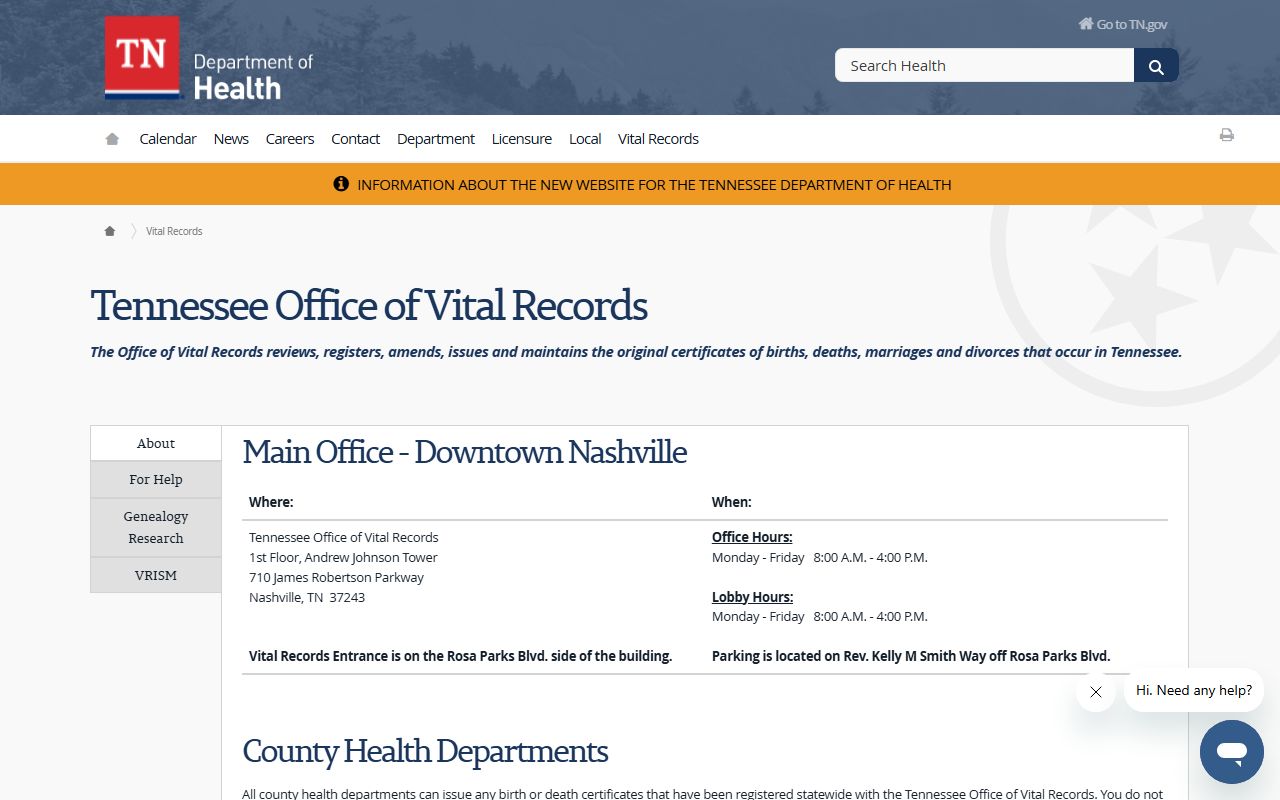
That split is important because a certificate proves an event, while Tennessee Family Court Records from the courthouse usually provide the deeper case history.
The Tennessee court-approved forms page also helps users who are trying to understand what paperwork may appear in a domestic file, especially in divorce and parenting-related matters.
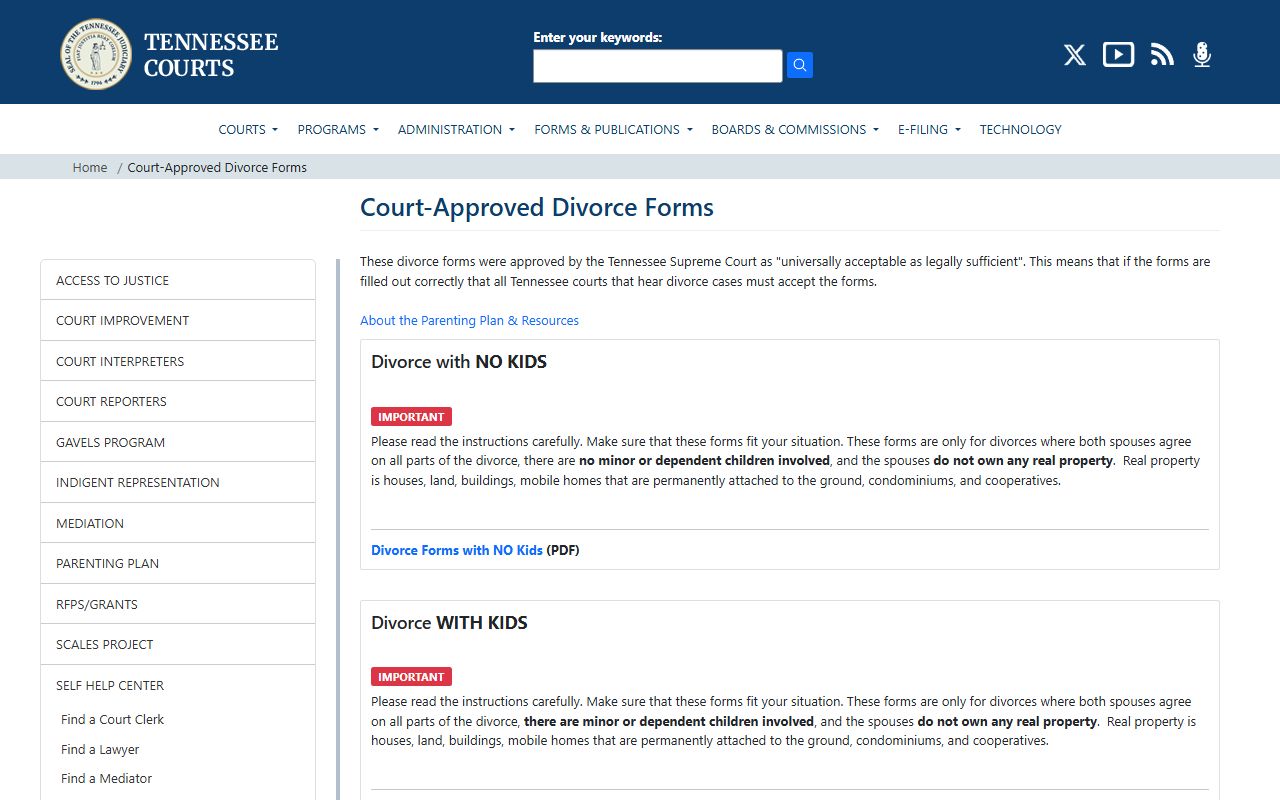
Even when you are not filing a new case, those forms help decode what you may see inside Tennessee Family Court Records once you obtain the file.
Limits on Tennessee Family Court Records Access
Not all Tennessee Family Court Records are open for routine inspection. Juvenile records are generally confidential. Adoption files are sealed. Medical details, financial account numbers, and sensitive personal identifiers may be redacted. Courts may also seal documents when privacy interests outweigh the public right to inspect them. That is consistent with Tennessee's broader access rules, which start from openness but still allow narrow restrictions when law or a court order requires them.
The Tennessee juvenile and family courts page is a better statewide source for understanding why juvenile proceedings, adoption files, and other sensitive family matters may have narrower public access.
For Tennessee Family Court Records, that usually means you can inspect much of the file, but you should expect narrower access when a case involves children, sealed orders, or protected personal data.
Help With Tennessee Family Court Records Requests
Start with the local clerk. Then move outward. If the local office cannot locate the file, check whether the case was appealed, archived, or converted into a statewide certificate request. Tennessee Family Court Records searches often become easier when you use the county clerks directory, the state courts website, and the archives page together instead of relying on one search box. That layered approach fits how Tennessee actually stores domestic files.
Tennessee courts remains the best statewide hub for court structure and appellate case history, while Tennessee state government resources can help point you to agencies and archives tied to family law records.
If one route fails, the next step is usually not guesswork. It is matching the Tennessee Family Court Records request to the right county office, archive, or appellate clerk.
Browse Tennessee Family Court Records by County
Tennessee Family Court Records are kept locally, so county pages are the fastest way to move from statewide rules to the right clerk, court, and request path.
Tennessee Family Court Records in Major Cities
City pages explain which county court actually controls the file and help separate city court functions from the county offices that keep family case records.