
Access Cumberland County Family Court Records
Cumberland County Family Court Records are kept through the local Circuit Court Clerk and the Chancery Court in Crossville. If you need a divorce decree, custody order, or child support paper, the file likely starts at the county courthouse. The record may be public, but the best way to find it is still to use the right office and the right case details. Crossville is the county seat, so that is where most searches begin. If you know the parties and the year, you are already ahead.
Cumberland County Quick Facts
Cumberland County Family Court Records Overview
Cumberland County operates Circuit Court and Chancery Court for family law matters, with the courthouse in Crossville. The Circuit Court Clerk maintains the court records, and those files are public records unless a judge seals them. That is the starting point for most searches. The county's own website at cumberlandcountytn.gov can help point you to local offices, while CTAS explains the public access rules county officials use when they manage court files.
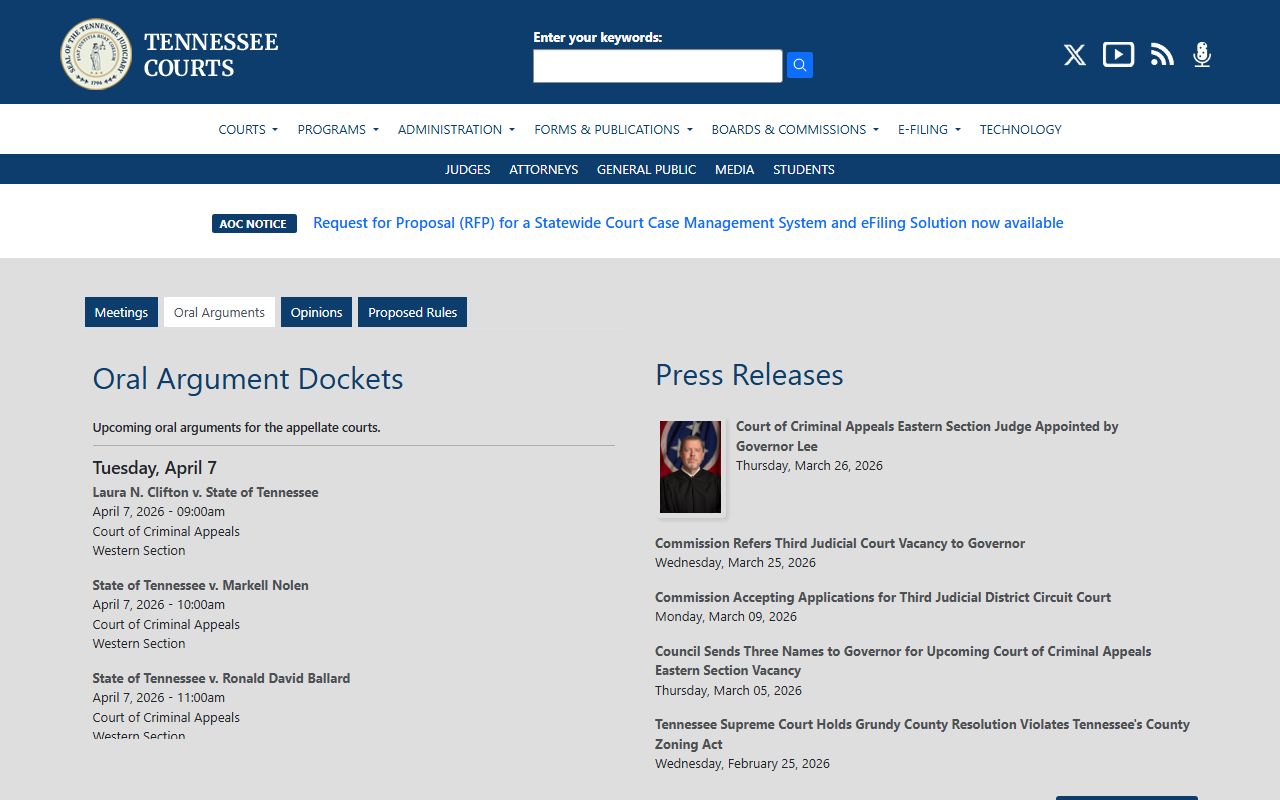
Chancery Court handles domestic relations matters in Cumberland County, while Circuit Court handles divorce, custody, and child support matters. That split matters when you ask for a file, because the clerk needs to know which court the case came from. Tennessee does not use one standalone family court system. It uses the regular courts, and the family file sits where the case was filed. The public case history system also includes Cumberland County appellate records, so the record trail can go beyond the local clerk's office if the case was appealed.
Note: If the file has been sealed or partially restricted, the clerk can only release what Tennessee law allows.
How to Search Cumberland County Family Court Records
The best way to search Cumberland County Family Court Records is in person during business hours. Bring party names, an approximate filing year, and a case number if you have one. The clerk can use those details to search the file set and point you to the correct document. Open records are available for public inspection, but you still need enough detail to let the office match the right case. If you are not sure which court heard the matter, tell the clerk what kind of order you need and let the office sort it out.
For statewide case history, tncourts.gov offers the public case history system and appellate information. That is useful when you need to confirm that a matter reached the Middle Division or when you want to see the timeline after the local file. For older material, the Tennessee State Library and Archives can be a better stop than the courthouse, and the TSLA FAQ at sos.tn.gov/tsla/faqs/how-do-i-find-court-records shows how to ask for court minutes and related records.
Mail requests are accepted in some situations, but they work best when you already know the case number. If you do not know the number, ask the clerk whether a name search can be done and what date range to give. A narrow request is easier to process. A broad request can take longer and cost more. The clerk can also tell you whether you need a certified copy or a plain copy for the purpose you have in mind.
Bring these details if you can:
- Full name of at least one party
- Approximate filing or order date
- Case number, if known
- Whether you need a certified copy

Photo ID is required for record requests in many Tennessee clerk offices, and Cumberland County follows that same practice. The office can often point you to the right copy, but it cannot tell you how to use it in court. That line matters. Clerks can help you find the record. Judges decide the case. If you need the file for a new motion or a later agency request, say that up front so the clerk knows whether you need plain pages or certified pages.
Cumberland County Family Court Records Fees
Fees in Cumberland County follow Tennessee court practice. Standard copies are often 50 cents per page, and certified copies are $5 plus 50 cents per page. If the clerk has to search without a case number, the county guidance says a search fee of $5 per name per year may apply. That means the more detail you bring, the better. A specific request can lower the work the office has to do, and that keeps the price more predictable.
Office hours are typically Monday through Friday, 8:00 a.m. to 4:30 p.m., which gives you a normal window for an in-person request. If you plan to pay by mail, include the correct fee and a self-addressed stamped envelope. Cash, check, and money order are the usual methods mentioned in the county research. A certified copy costs more, but it gives you a document that can stand on its own for formal use.
Under Tennessee's public records rules, you can ask to inspect open records, but the clerk still controls the release of sealed or confidential items. That is why a fee question and an access question are not the same thing. You may be allowed to view a file but still need to pay for copies, and some pages may be redacted before release.
Note: Ask about the search fee before you submit a broad name-only request.
Cumberland County Courthouse
Crossville is the center of Cumberland County court access, so most family record searches start there. The clerk office maintains the records of the Circuit Court and Chancery Court, and both courts are part of the regular Tennessee structure that handles divorce, custody, and support. If you are not sure which office has the paper, ask for the court first and the document second. That simple order helps the clerk sort the file faster.

Domestic files can be clean and simple, or they can have years of orders and changes. If you need the exact decree or order, say so. If you need the whole file, say that too. The clerk can usually tell you whether the document is in the active court set or whether you should check state archive records. Historical records are often kept by the Tennessee State Library and Archives, which can help when the file has moved out of the courthouse routine.
Because Cumberland County is in the 13th Judicial District, local procedures follow the district structure as well as state rules. That is one more reason to keep your request tied to the right court. The county seat gives you the office, but the court type gives you the record.
What Cumberland County Family Court Records Show
Cumberland County Family Court Records can include complaints, answers, agreed orders, support changes, and the final decree or judgment. A custody file may show parenting plans and later modifications. A support case may include payment orders and enforcement filings. Those papers are often what you need when a later office asks for proof. The final order is important, but the paper trail behind it tells you how the judge got there.
If a case was appealed, the record trail gets longer. The public case history system can show the appellate step, while the local clerk keeps the trial court set. This is why a good family records search often starts with one file and ends with two offices. You do not need to guess. You just need to ask in the right order and keep the request narrow. The court record is strongest when the request names the exact order or date.
- Divorce complaints and decrees
- Custody orders and parenting plans
- Child support orders and changes
- Agreed orders and motions
- Appellate history entries
Some materials stay private. Juvenile records are confidential, and sealed records are not open just because the rest of the family file is public. That is a common point of confusion. The county may release much of a case, but the law still protects certain pages and whole case types.
Cumberland County State Help
State help can solve the gaps that a county file leaves behind. The Tennessee court system at tncourts.gov gives you access to appellate tools and state forms. The Tennessee Department of State and the Tennessee State Library and Archives can help with older records and court minutes. If you need help tracing a long family case, that archive route can save time. It also helps when the local file is incomplete or when the paper you need is older than the courthouse set.
tn.gov is useful for statewide family-law guidance and links to public services that may sit beside a family case, such as child welfare and confidential record guidance. Tennessee's public access rules still control the record release, but the state sources help you understand where to look next. The county site, the clerk's office, the state portal, and the archives work best as a chain, not as separate islands.
Note: When the file is old, start with archives and then circle back to the clerk if you need certified pages.
Browse Tennessee Counties
Cumberland County is one stop in Tennessee's larger family records network. Use the county directory if you need another courthouse.