
Search Lauderdale County Family Court Records
Lauderdale County Family Court Records are handled through the Circuit Court Clerk and the Chancery Court in Ripley. If you need a divorce decree, a custody order, or a child support file, the courthouse is the place to start. Lauderdale County follows the standard Tennessee court structure, so the office depends on the type of case. Ripley is the county seat, and that is where the active records search begins. A clear request with names and a year saves time and keeps the search on track.
Lauderdale County Quick Facts
Lauderdale County Family Court Records Overview
Lauderdale County operates Circuit Court and Chancery Court for family law matters. The Circuit Court Clerk maintains records of court proceedings, and the files are public unless sealed by court order. The county website at lauderdalecountytn.gov is the local starting point, and CTAS helps explain the county records rules that apply to open court files in Tennessee.
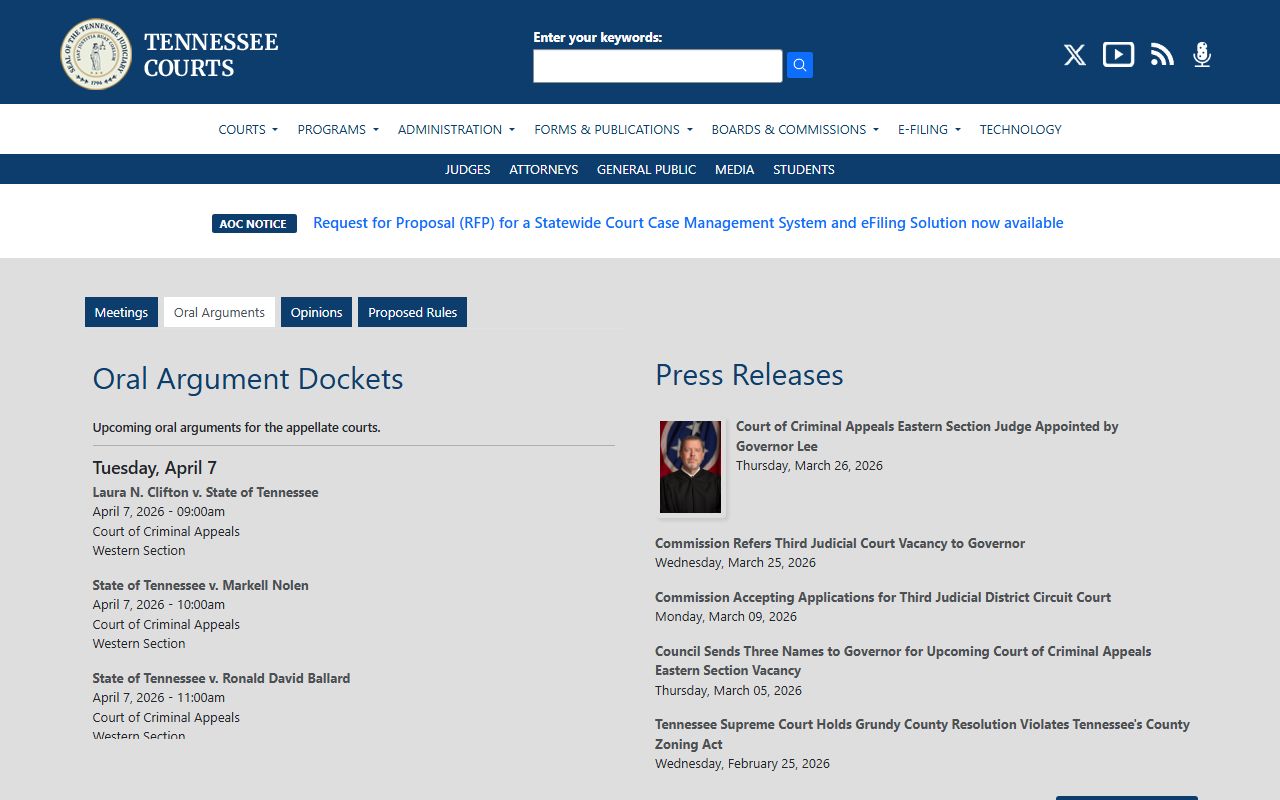
Chancery Court handles domestic relations matters, while Circuit Court handles divorce, custody, and child support matters. That means a family file can live in more than one court depending on how the case was filed. The public case history system includes Lauderdale County appellate records, so if the case moved to appeal, the state court system still has a trail. That makes the county clerk and the state portal two pieces of the same search.
Note: Lauderdale County uses the Western Division for appeals, so the appellate record may sit outside the courthouse file.
How to Search Lauderdale County Family Court Records
The best way to search Lauderdale County Family Court Records is to visit the clerk's office during business hours. Bring the names, the approximate filing year, and the case number if you know it. A precise request helps the clerk locate the right file quickly. If you are not sure whether the matter was handled in Circuit Court or Chancery Court, say what kind of case it was and let the office route it. That is usually faster than guessing.
For online help, use tncourts.gov for public case history and appellate information. For older files, the Tennessee State Library and Archives can help, and the TSLA records FAQ at sos.tn.gov/tsla/faqs/how-do-i-find-court-records explains how to request historical court records. That matters when a family case is old enough to be in archive storage rather than on the active shelf at the courthouse.
Lauderdale County also follows the standard Tennessee records rule. Open records are available, but the clerk still needs enough information to find them. If you only know a surname, ask whether a name search is possible and what years to include. If you know the decree date or hearing date, use it. That cuts down the work and helps keep the search narrow.
Bring these details if you can:
- Full party names
- Approximate filing year
- Case number or decree date
- Whether you need a certified copy

Photo ID is often required for requests, and Lauderdale County research also notes that credit cards may be accepted in some situations. That is useful if you plan to leave with copies the same day. If the file is old, though, the office may need time to locate it. In that case, a careful request and a phone call ahead can save you a wasted drive.
Lauderdale County Family Court Records Fees
Lauderdale County follows Tennessee's standard fee pattern. Regular copies are typically 50 cents per page, and certified copies are $5 plus 50 cents per page. If the case number is unknown, a search fee can apply. That makes the first question simple: do you already have the case number? If the answer is no, be ready to give a name and year range so the clerk can narrow the search.
The county research says office hours are Monday through Friday, 8:00 a.m. to 4:30 p.m. Payment methods usually include cash, check, and money order, with credit cards sometimes accepted. That gives you some flexibility if you need same-day copies. A certified copy is the safer choice when another office or court needs the document to stand on its own. A plain copy is enough when you are just reviewing the file.
Because Lauderdale County is in the 30th Judicial District, local court procedures follow district practice as well as state rules. If the record is sealed, the clerk cannot release it just because you asked. If the record is open, the office can usually give you what you need once you provide enough detail. Fees and access are different questions, but both matter when you are planning the request.
Note: Ask whether the file is open before you pay for certified copies.
Lauderdale County Courthouse Access
Ripley is the county seat, and that is where Lauderdale County courthouse access begins. The Circuit Court Clerk keeps the court records, while Chancery Court handles domestic relations matters. That division matters because the same family may have records in different courts. If you know the case type, say it first. If you know the order date, say that too. The clerk can usually route you faster when the request is specific.
Lauderdale County appellate matters go to the Western Division, and the public case history system includes those appellate records. That means the county file may not be the end of the search. If a family case was appealed, the state record can answer questions that the local file cannot. Historical records are at the Tennessee State Library and Archives, which is useful when the case is old and the courthouse set is incomplete.
The county's records are public unless sealed by court order. That is the baseline rule. Juvenile records stay confidential, and certain sensitive material may be redacted. So while Lauderdale County gives you access, it also follows the same privacy limits used throughout Tennessee. That balance is normal, and the clerk will follow it even when the rest of the file is open.
What Lauderdale County Family Court Records Show
Lauderdale County Family Court Records can include divorce decrees, custody orders, child support orders, and other domestic filings. The file may also include motions, agreed orders, and changes that came later. That is useful because family cases often change after the first order. If you need to prove what happened on a certain date, the file can show both the original ruling and the later adjustments.
That record trail is especially helpful when you need to explain why a child support amount changed or when a parent was given custody. A certified copy of the right order is often enough. In some cases, though, you need the whole file for context. The clerk can usually tell you whether the document you want is in the active court set or whether you should look to archives for the older material.
Open records do not mean every page is public. Juvenile material and sealed filings remain restricted. Still, most Lauderdale County family files are available if you ask for them the right way. That is why names, dates, and the court type matter so much in the request. The record exists. The trick is matching it cleanly.
- Divorce decrees and related pleadings
- Custody and child support orders
- Domestic relations motions and agreements
- Appellate case history entries
- Certified copies for formal use
Lauderdale County State Help
State help is the next stop when the county file is old or incomplete. tn.gov is the statewide doorway for public services and records context, and tncourts.gov provides appellate history, forms, and court information. If the file moved into archive storage, the Tennessee State Library and Archives can help you work back toward the original order. That is especially useful in older domestic cases where the courthouse file has been thinned out over time.
Lauderdale County follows the same statewide openness rule as every Tennessee county. Under T.C.A. § 10-7-503, court records are generally open unless sealed or made confidential. That gives you a strong default, but not a blank check. The clerk still controls the open file, and the court still controls the seal. The county site, the state portal, and the archives work best when they are used in that order.
Note: If the clerk says the file is archived, the record may still be retrievable through archives or the court minutes.
Browse Tennessee Counties
Lauderdale County is one part of Tennessee's family court network. Use the county directory if you need another local courthouse page.